
Endodontic
Root Canal Therapy
Relieve pain and save your natural tooth by treating infection gently with modern techniques.
- Remove infection
- Preserve tooth
- Restore function
Overview
Root canal therapy treats infection or inflammation inside the tooth — removing the affected pulp, cleaning the canals, and sealing the tooth to prevent further infection. Modern techniques and anaesthesia make the procedure far more comfortable than its reputation suggests.
What's included
- Remove infected or inflamed pulp tissue
- Clean, shape, and disinfect the root canals
- Seal the canals to prevent reinfection
- Restore the tooth — often with a crown for long-term strength
Most patients find it comparable to a filling with local anaesthetic.
How it works
What to expect
A clear, step-by-step overview of your root canal therapy appointment.
Diagnosis & anaesthesia
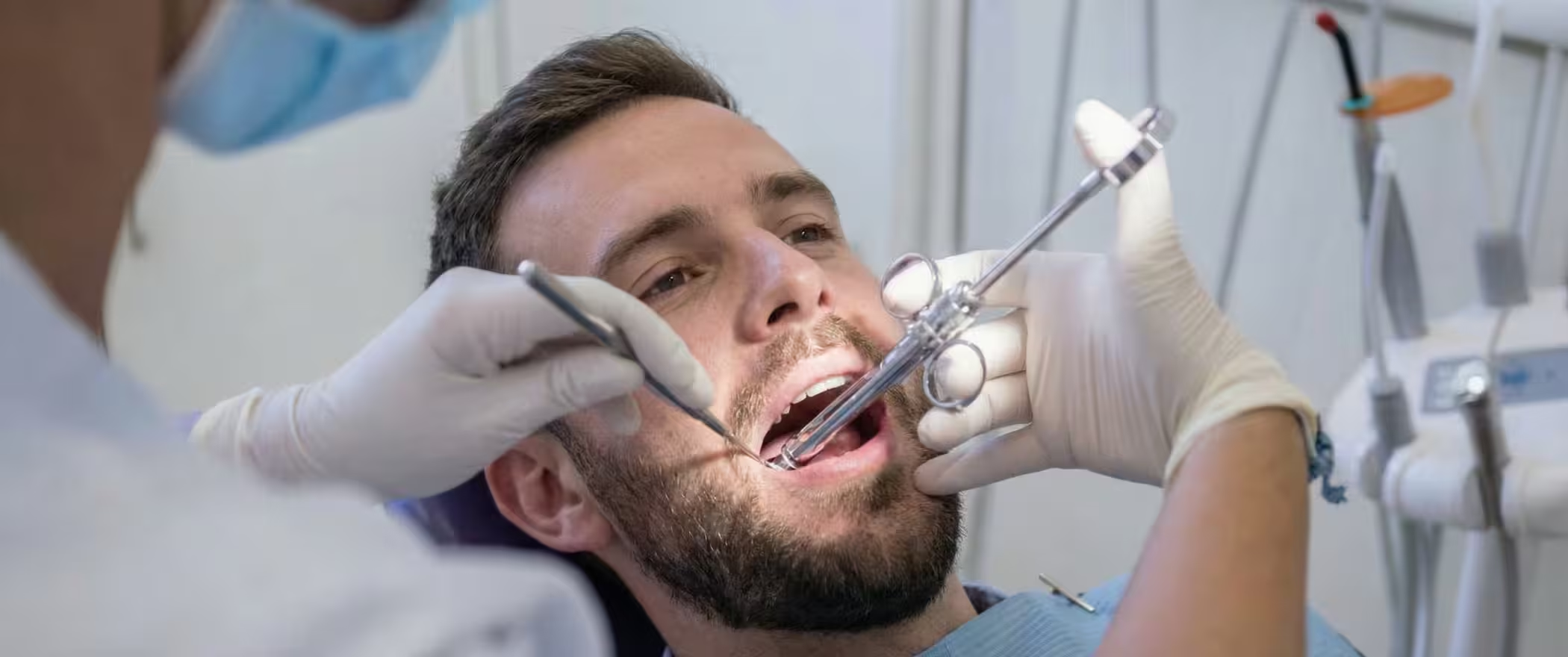
We confirm the diagnosis with X-rays and administer local anaesthetic to ensure you're completely comfortable throughout.
Pulp removal
The infected or inflamed pulp is carefully removed through a small opening in the tooth.
Canal cleaning & shaping
Each canal is cleaned, shaped, and disinfected using fine instruments to remove all traces of infection.
Sealing & restoration
The canals are sealed with a biocompatible material, and the tooth is restored — typically with a crown to protect it long-term.
FAQ
Common questions
With modern anaesthesia and techniques, root canal treatment is no more uncomfortable than having a filling. The procedure actually relieves the pain caused by the infection.
Most root canal treatments are completed in 1–2 appointments, depending on the complexity and degree of infection.
Untreated infection can spread to surrounding teeth, bone, and in serious cases, other parts of the body. It's unlikely to resolve on its own and will typically worsen over time.
In most cases, yes. Root canal-treated teeth can become more brittle over time, and a crown provides the strength and protection needed for long-term function.